You can use your Aeroplan miles/points to assist animals in need! Find out more!

About Us

CAAT Veterinarian Called to Haiti for Animal Relief

February 5, 2010

In our most recent discussions with the Director of International Programs for the Humane Society International, a request was made for a CAAT veterinarian team member to join a team going into Haiti next week.  One of our CAAT veterinary team members has been chosen to fill this position.  She will be in Haiti for 10 days.  We wish her a safe and successful journey.  HSI and HSUS have indicated that the need in Haiti is not going to be a short term one and that we will continue to be called upon should we be needed as a team in the weeks and months to come.


We are committed to assisting in whatever way we can.  We are continuing to raise funds to assist in the disaster relief and recovery efforts for the animals of Haiti.    Please donate through our website or mail cheque to CAAT c/o 4411 King St. E. Kitchener, ON N2P 2G1.   Thank you for your continued support.


February 3, 2010

Helping Haitian Relief by Helping the Animals

Canadian Animal Assistance Team (CAAT) efforts

The world has been watching anxiously as reliable information slowly reaches us from Haiti following the destruction of the recent earthquake the country has suffered.  Human devastation resulting from the disaster is difficult to fathom but is not the only concern for the impoverished nation.  With the level of humanitarian aid necessary in this kind of crisis, the needs of animals and livestock are too often neglected or under served.

Domestic pets and livestock in disaster situations are susceptible to shortages of water and food sources and often go without medical attention.  The Canadian Animal Assistance Team (CAAT) recognizes the important role companion and agricultural animals play in human lives.  Pets left without food or appropriate care can become a strain on society as diseases such as rabies or parasitic infections can spread to humans.  It is often children that are most susceptible.  Loss of livestock results in a shortage of essential food sources and cripples the livelihood of those in agricultural production, hindering the rebuilding process so important following natural disasters.  People that have lost everything often cling to the one thing some of them have left, a family pet.

Aid to the animal population in Haiti has already begun and is being coordinated by a few of the largest international animal relief organizations.  These organizations are assessing the situation so that all involved animal welfare organizations can work together and make sure emergency aid, as well as continued support through the recovery stages, can reach as many animals as possible.  Like aid to the human populace, the need for veterinary assistance will be ongoing, initially to control the immediate concerns for infectious or zoonotic diseases(those that can be passed from animal to human) and the potential risk of disease spreading on an epidemic scale.  In addition, long term assistance will be needed to help rebuild the agriculture industry as well as to establish and maintain animal shelters to control the free roaming animal population. The Canadian Animal Assistance Team is committed to being a part of the animal recovery efforts in the weeks and months to come. 

The Canadian Animal Assistance Team (CAAT) was organized in 2005 to provide support to other animal aid organizations helping pets in and around New Orleans in the aftermath of Hurricane Katrina.  CAAT also assisted in animal relief efforts in Peru after the 2007 earthquake devastated several cities in that country.  At this point, the role CAAT will play in Haiti has not been determined. The situation in Haiti changes daily and the teams that are there are still assessing what is needed.   CAAT is preparing to send volunteers, but if this is not possible we will help support those that are able to be in Haiti and provide assistance. 

Canadians wishing to contribute to efforts occurring now and over the next few months can do so through the CAAT website at www.caat-canada.org or can send donations to CAAT, c/o 4411 King St. E. Kitchener, ON N2P 2G1 or to our Vancouver address at 1635 West 4th Ave. Vancouver, B.C. V6J 1L8.

  CAAT is a registered Canadian charity, and all money donated that is specified to go to Haitian Animal Relief will be directed to that end.


WHO WE ARE and WHAT WE DO

The Canadian Animal Assistance Team (CAAT) is a group of Veterinary Technologists. Veterinary Assistants, Veterinarians and concerned animal welfare members dedicated to providing veterinary medicine and humane education for needy animals worldwide.  CAAT is a registered charity under the Canadian Income Tax Act.

Founded by Vancouver Registered Animal Health Technologist Donna Lasser in the wake of Hurricane Katrina, CAAT sent 82 Veterinarians and Technologists to Louisiana in September and October, 2005. While in Louisiana, CAAT members aided in the rescue, medical and husbandry needs of thousands of animals displaced by Hurricanes Katrina and Rita.

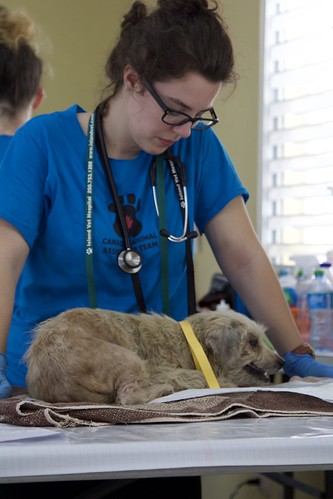
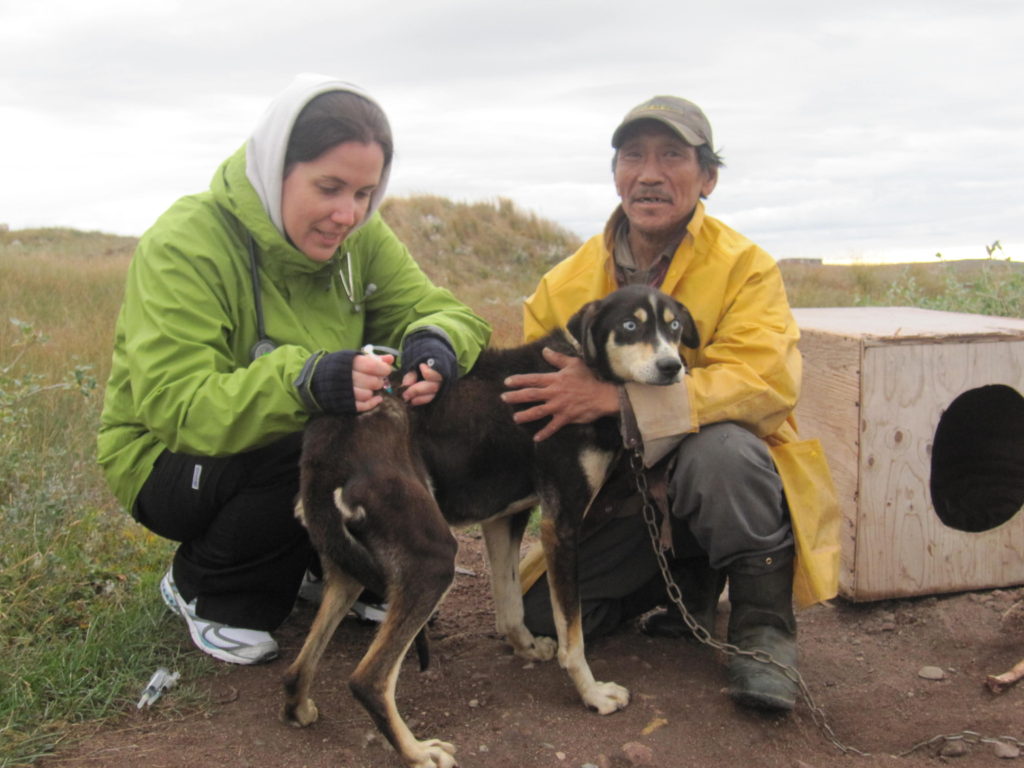
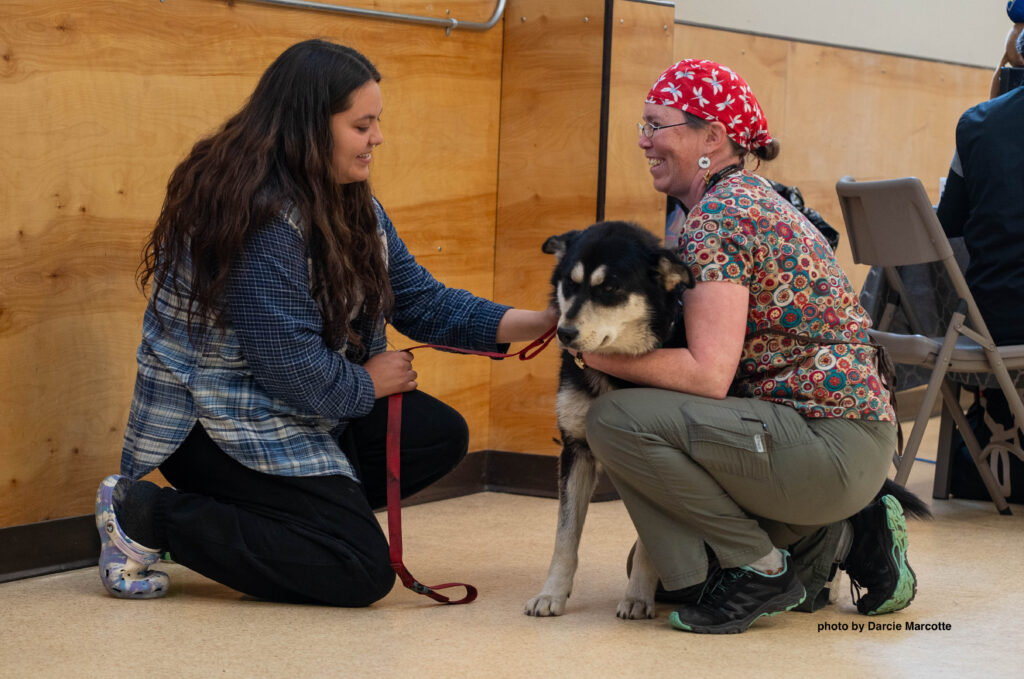
Since 2005, CAAT has been continuously growing as an organization.  There are members all across Canada with headquarters in Vancouver and in Ontario.  Along with continuing to be available as a disaster response team worldwide, CAAT is also dedicated to providing Animal Wellness Clinics to communities with limited or no access to veterinary services for their animals.  The teams provide spay/neuter, deworming and vaccination services to the animals in need.

CAAT is continuing to develop its volunteer base and organizational infrastructure necessary to be able to continue to respond to the veterinary needs of domestic animals in communities in need and to be able to continue to serve as a disaster response team.

Mandate

* To provide animal wellness clinics for domestic animals in rural / underserved areas.
* To provide education in the health needs, husbandry, care requirements and population control of domestic animals to handlers, keepers and owners.
* To ensure domestic animals are included in community disaster response / preparedness plans.
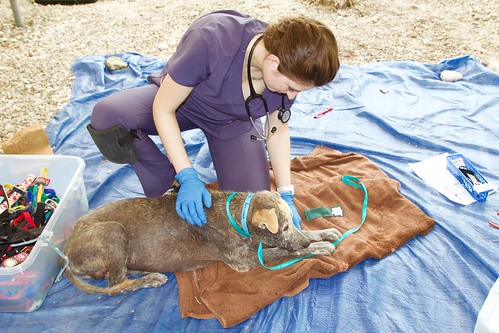
* To provide veterinary services to domestic animals following natural disasters.